 Residential
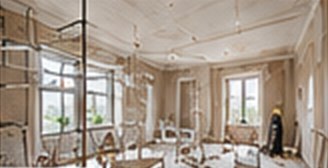
Period Townhouse Restoration
Lime Plastering · Decorative Plaster
Specialist finish
Breathable lime plasters and renders for solid-walled buildings, applied with traditional methods that let older walls manage moisture as they were designed to.
Quick answer
Lime plaster is vapour-permeable and slightly flexible, so it allows moisture in solid brick, stone and timber-framed walls to evaporate rather than becoming trapped. Gypsum and cement-based plasters are much less breathable and can lead to damp, salt damage and decay in older buildings. Lime is usually the correct material for buildings constructed before around 1920.
Traditional buildings have no cavity or damp-proof membrane behind the plaster. They rely on the wall being able to absorb and release moisture. When modern gypsum or cement is applied, that moisture can be driven into the wall or trapped behind the finish, which often shows up as blistering, salts and damp patches.
We use non-hydraulic lime putty plasters and natural hydraulic lime (NHL) where a slightly faster set is appropriate, often with hair or fibre reinforcement on laths.
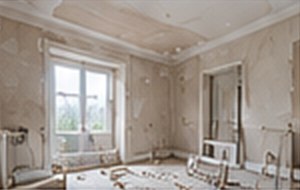
Where possible we repair rather than replace original lime plaster, consolidating sound areas and patching in matching material. Where modern plaster has caused problems, it can be removed and the wall re-plastered in lime.
Lime work is slower than gypsum: each coat needs to cure properly and conditions must be controlled. We programme work accordingly and explain how to care for the finish afterwards.
Our process
We identify existing materials and any damp or salt issues.
We agree the lime type, mix and finish, with consents if needed.
Unsuitable modern plaster is removed and backgrounds are dampened.
Scratch, float and finish coats are applied with curing between.
We protect the curing plaster and advise on breathable decoration.
Areas
Lime Plastering for residential and commercial clients throughout London, Essex, Hertfordshire, Cambridge, Cambridgeshire, Surrey and surrounding areas.
Lime cures more slowly than gypsum. Each coat generally needs several days to a week or more before the next, and a full scheme can take several weeks to dry out before decoration, depending on thickness and conditions.
Standard vinyl emulsions reduce breathability. Limewash, clay paints or breathable mineral paints are recommended over lime plaster.
Related services
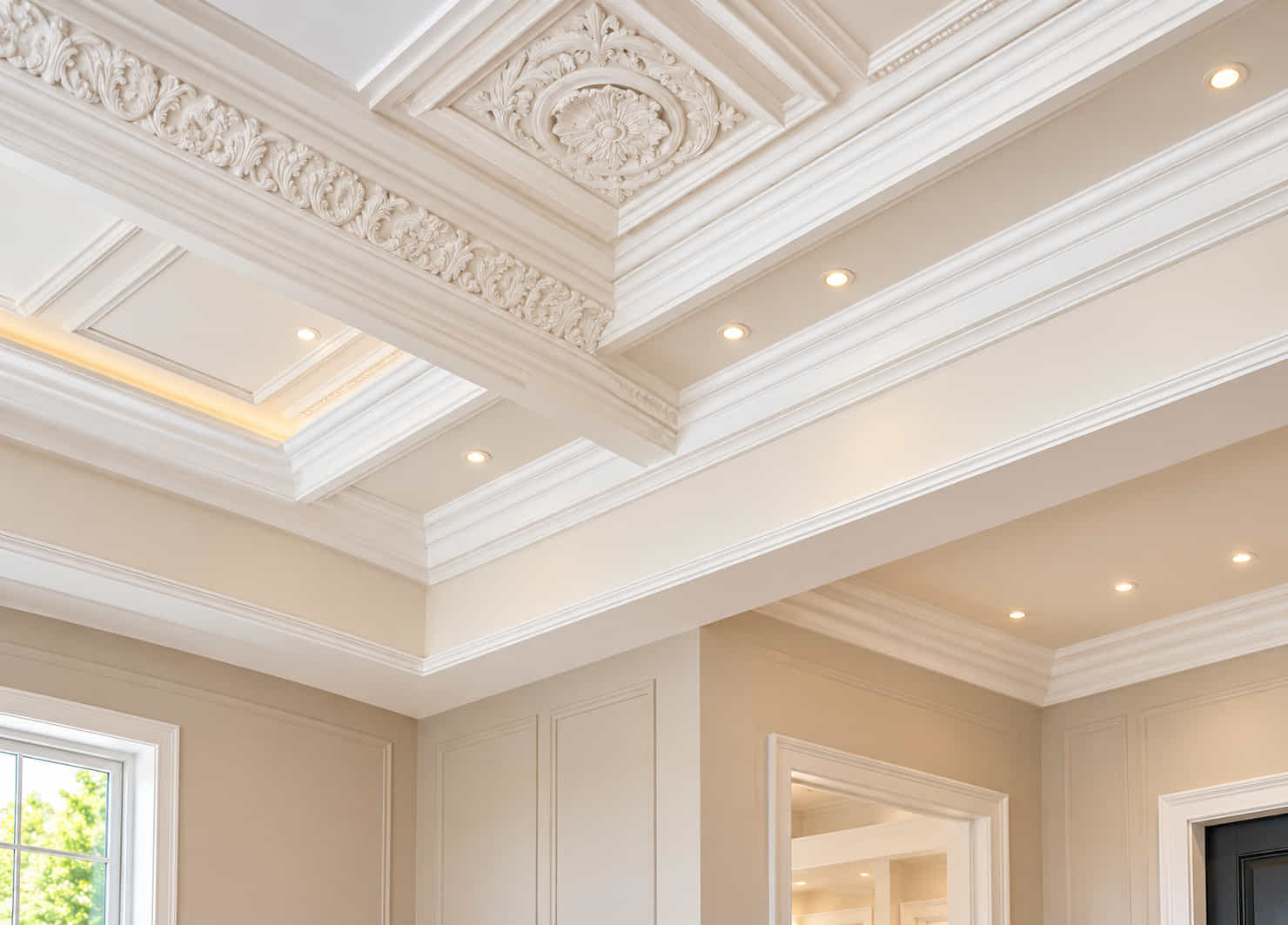
Cornices, ceiling roses, panel mouldings and restoration of period detail.
Sand and cement, silicone, monocouche and lime renders for exterior walls.
Repairs to cracked, sagging and water-damaged plaster and board ceilings.
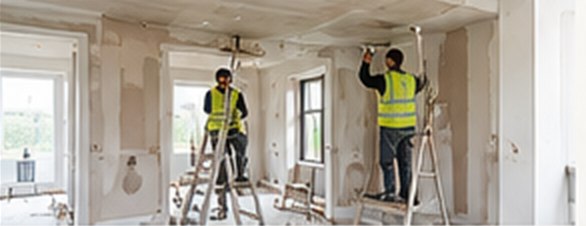
Plastering for whole-house renovations and commercial refurbishments.
Residential & commercial
Send photos, plans or drawings and we will come back with a clear, itemised quotation.